
Production software, AI and digital engineering guides
Field notes for CTOs and engineering leaders building software that teams can operate.
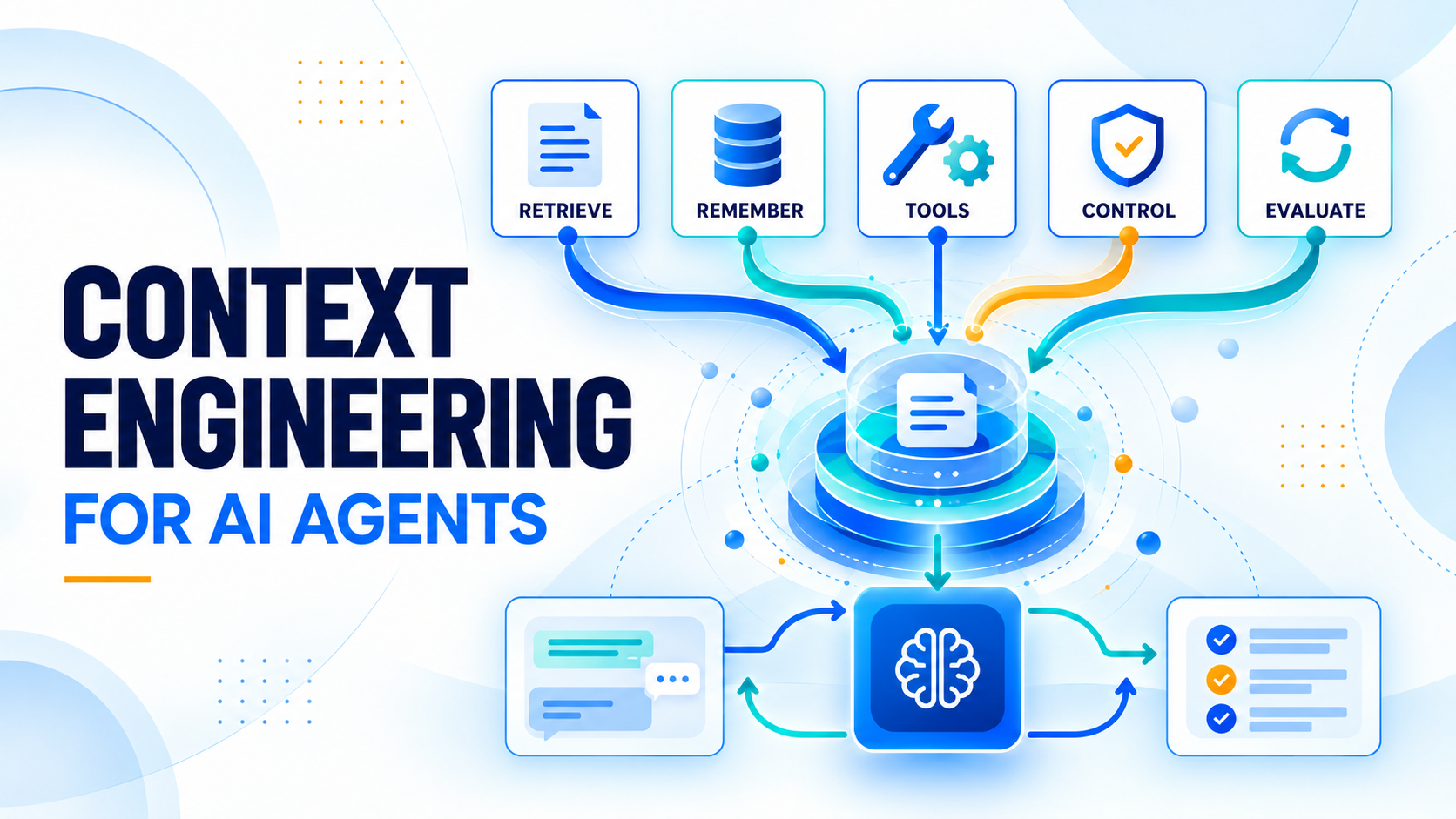
Context Engineering for AI Agents: The Production Guide
Context engineering explained for engineering leaders: decision rules for context layers, retrieval, memory, tools, permissions, and evaluation in production AI agents.
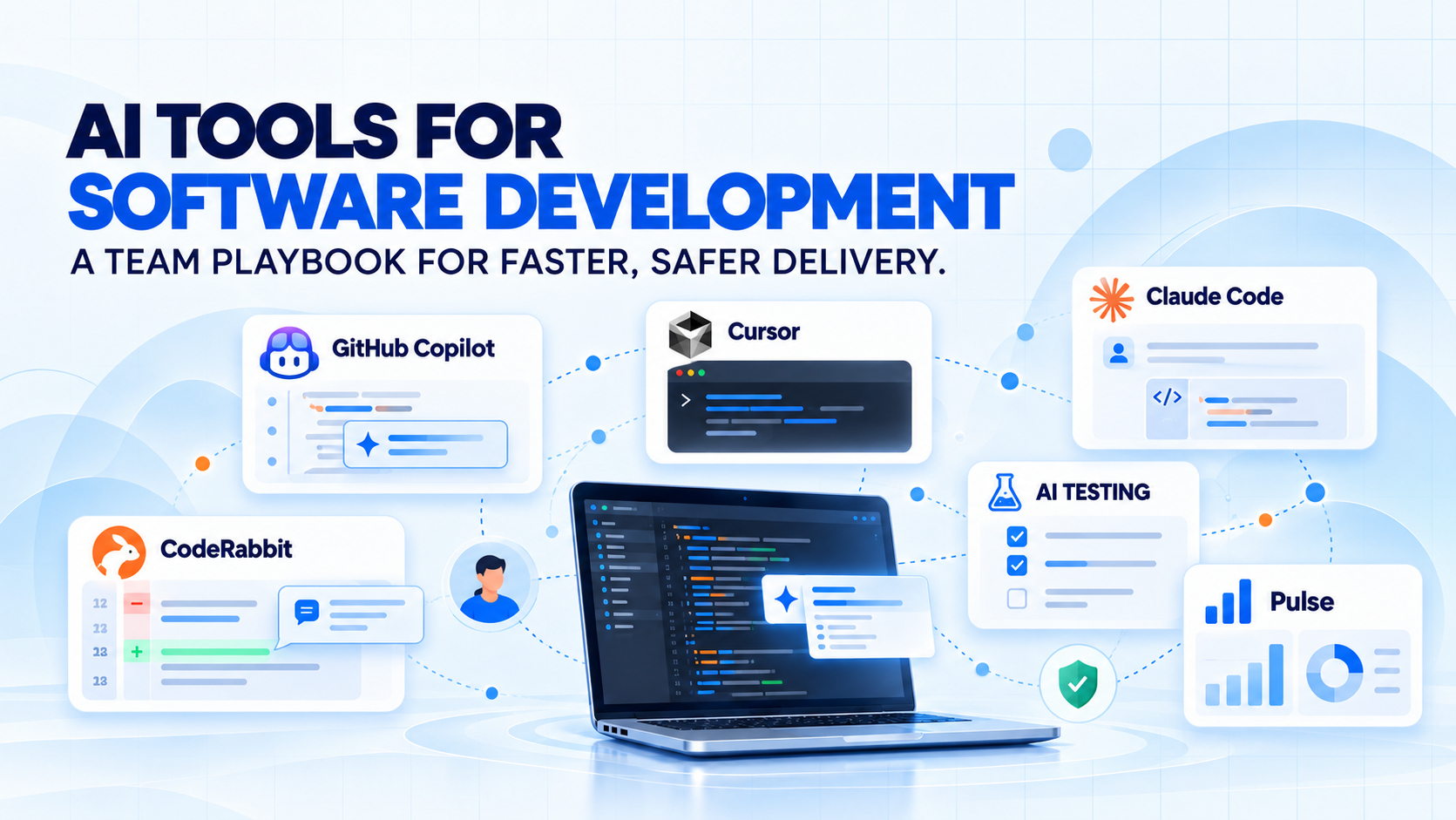
AI Tools for Software Development: A Team Playbook
AI tools for software development work best as a governed stack of coding assistance, testing, review, documentation, and measurement.
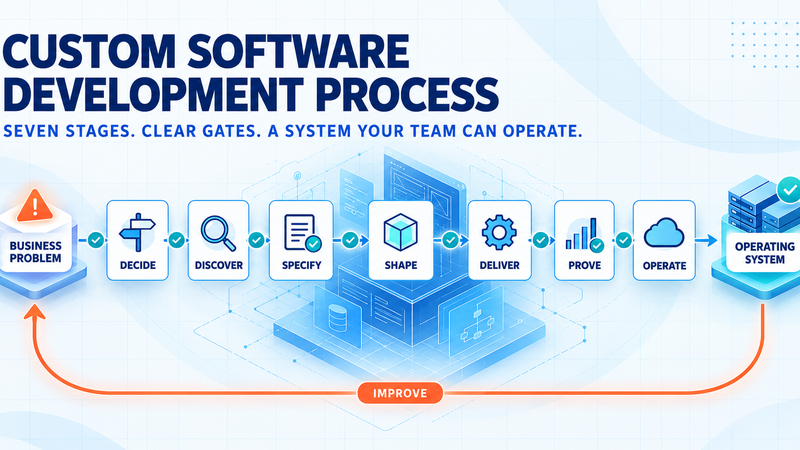
Custom Software Development Process: A Buyer's Control Guide
Seven stages for deciding, specifying, delivering, proving, and operating custom software with artifacts, owners, and acceptance gates.
AI Consulting Services That Ship
Realisier Labs AI consulting services that take production systems from strategy and implementation to handoff.
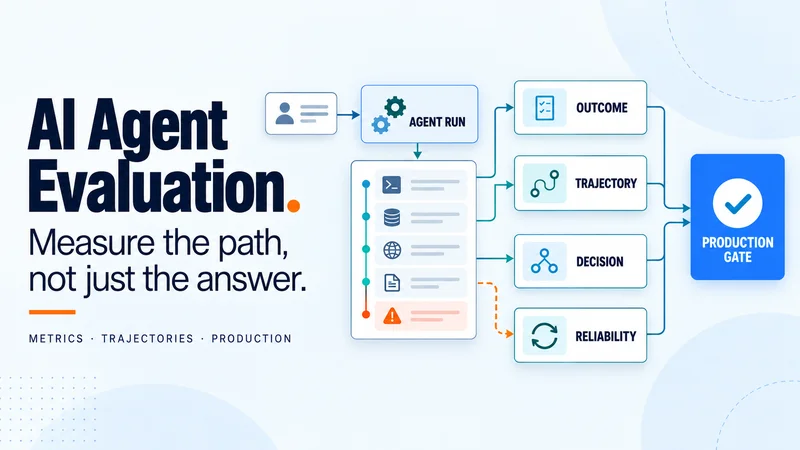
AI Agent Evaluation: Metrics, Trajectories & Production
How to measure AI agent performance beyond final output — covering trajectory quality, multi-agent failure modes, cost gates, and continuous evaluation loops.
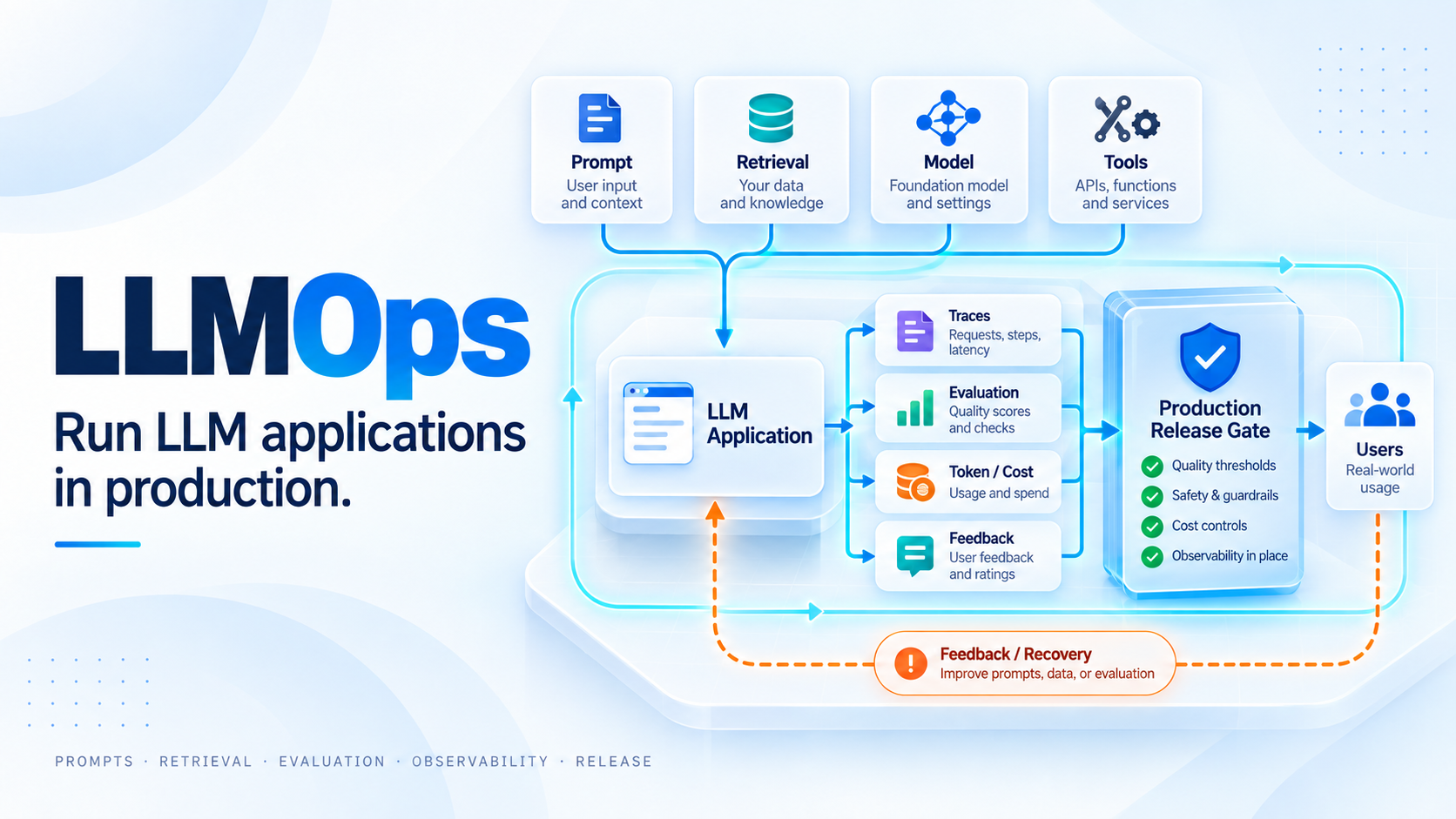
LLMOps: How to Run LLM Applications in Production
Version prompts, evaluate changes, monitor traces, control cost, and operate LLM applications reliably in production with a practical LLMOps discipline.
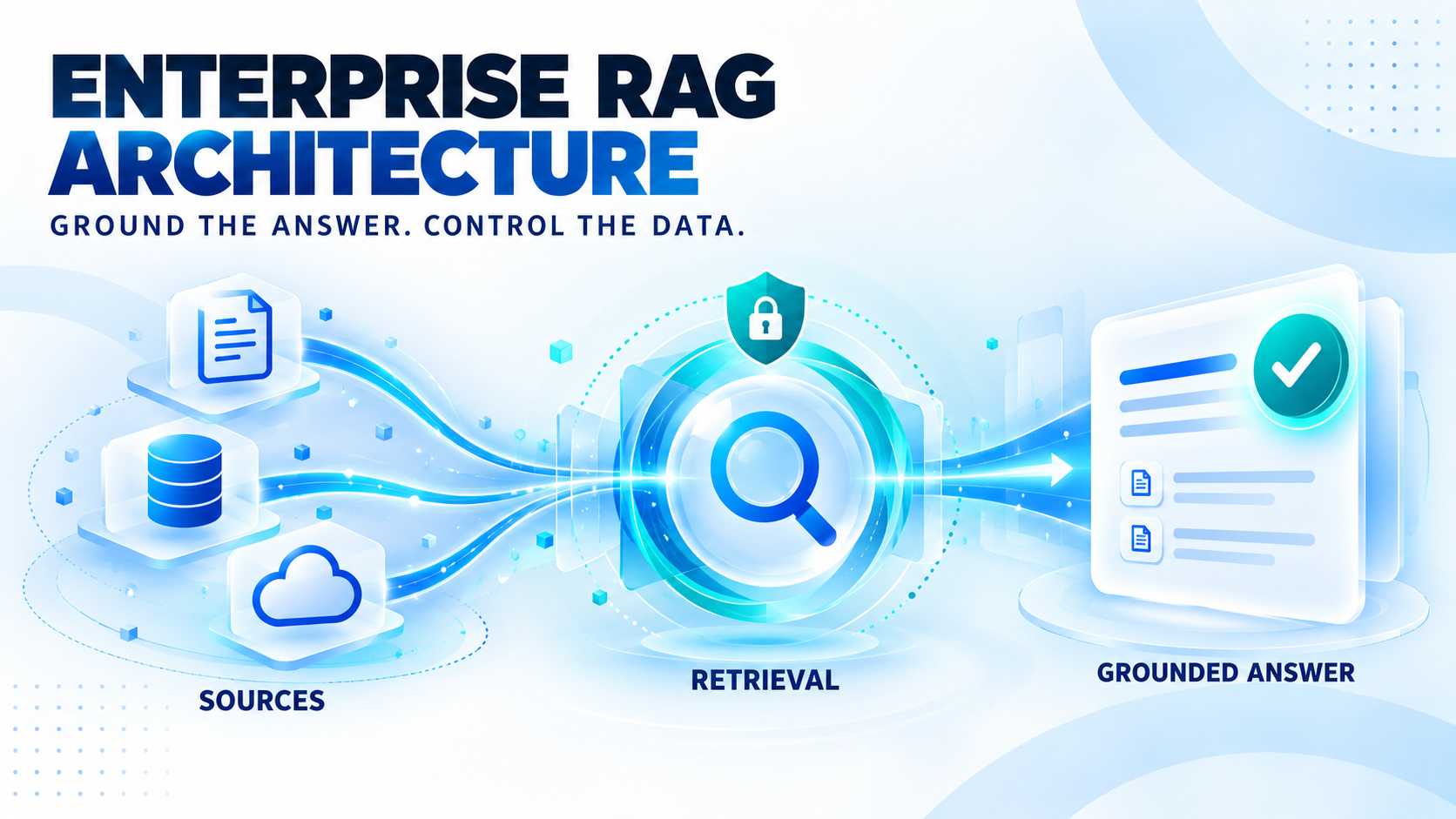
Enterprise RAG Architecture: A Production Blueprint
Design ingestion, hybrid retrieval, permissions, evaluation, freshness, and release controls for production AI.
AI ROI: How to Measure Value Beyond the Demo
AI ROI is the quantified business value improvement once an AI workflow is implemented. Learn how to measure baseline, adoption, quality, risk, and operating cost.
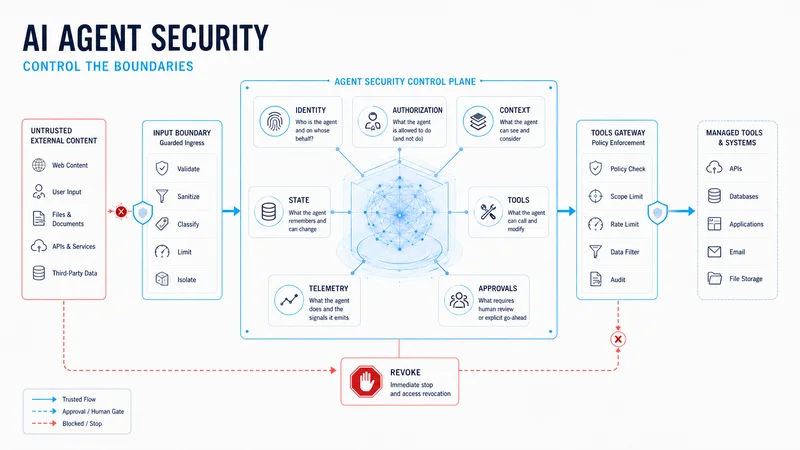
AI Agent Security: A Practical Framework for Production
Control what an agent can access, decide, call, change, and do. A production framework covering identity, authorization, tools, memory, approvals, and monitoring.
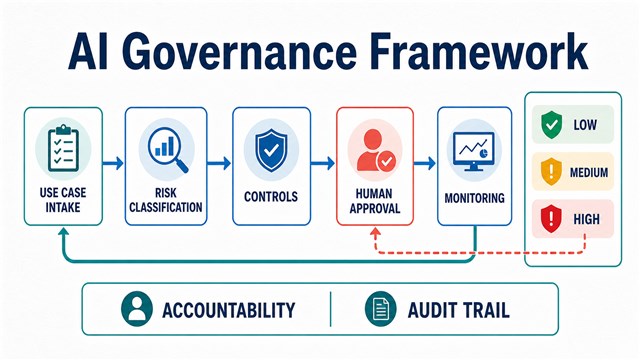
AI Governance Framework: From Policy to Production
Turn AI governance into an operating loop connecting risk, controls, owners, evidence, monitoring, and responsible action.
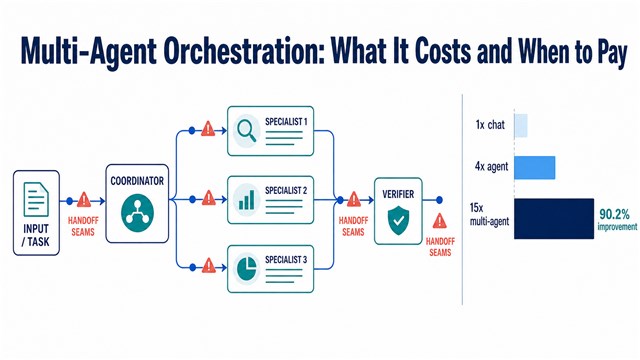
Multi-Agent Orchestration: What It Costs and When to Pay
More agents can add capability, but they also add tokens, latency, and coordination risk. Learn when the split is worth paying for.
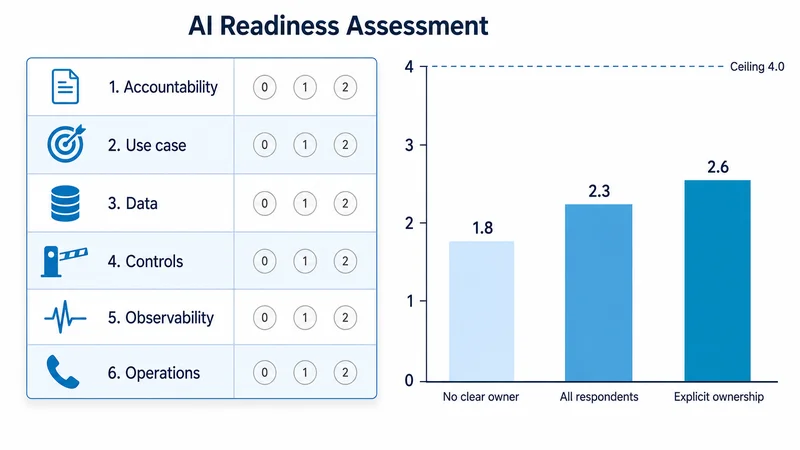
AI Readiness Assessment: Score It on Evidence, Not Opinion
Most readiness assessments score opinions. Here is a six-dimension rubric answered by artifacts, and the one variable most associated with AI maturity.
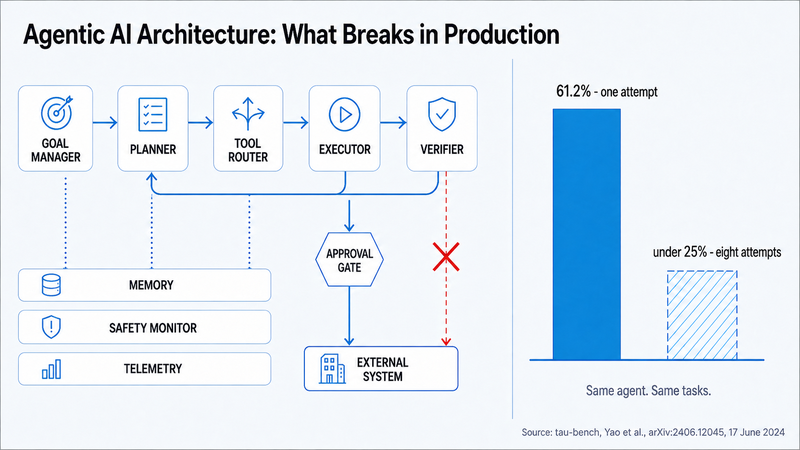
Agentic AI Architecture: What Breaks in Production
Architecture is a failure-containment problem, not a component list. Which design decision stops which production failure, and how to tell if yours is ready.
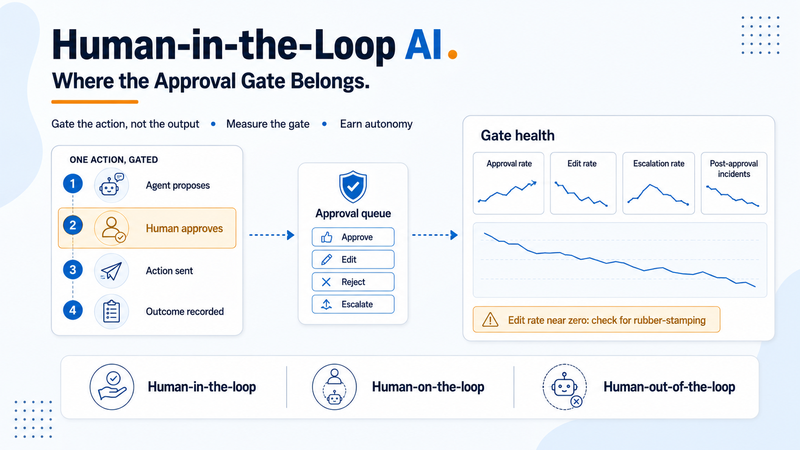
Human-in-the-Loop AI: Where the Approval Gate Belongs
Human-in-the-loop and full autonomy are settings on the same system. Where approval belongs, how to tell if a gate is working, and when to remove it.
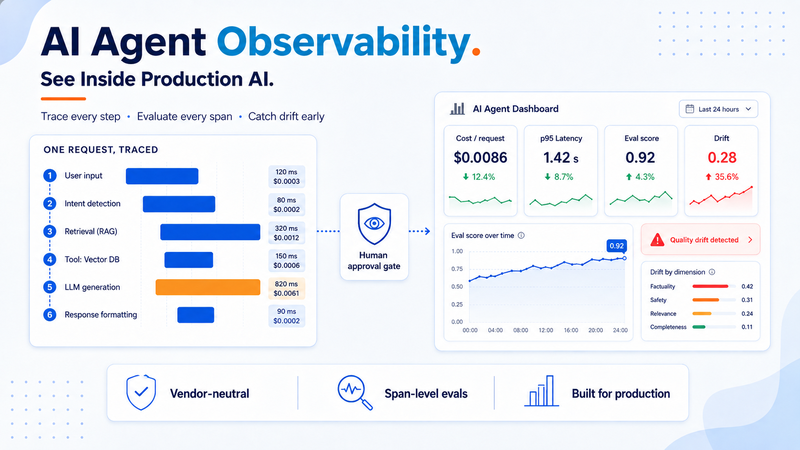
AI Agent Observability: A Practical Best-Practices Guide
You cannot fix what you cannot see. A vendor-neutral guide to tracing, span-level evals, and what to instrument in production.
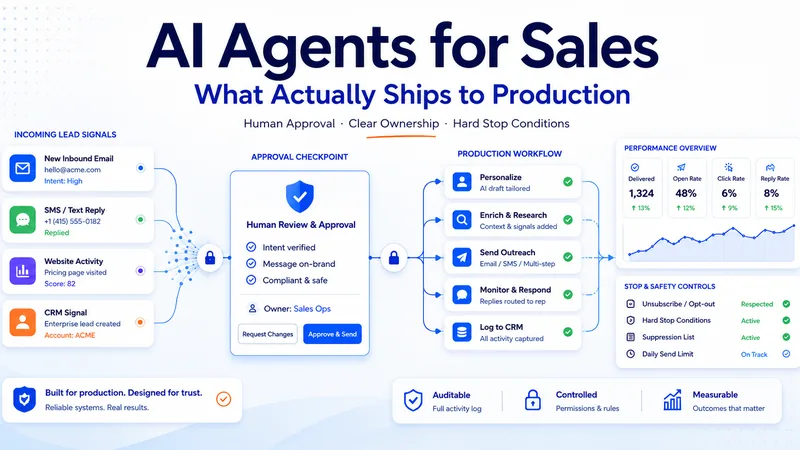
AI Agents for Sales: What Actually Ships to Production
What separates a production-grade AI sales agent from a demo: clear ownership, a human approval gate, and hard stop conditions.
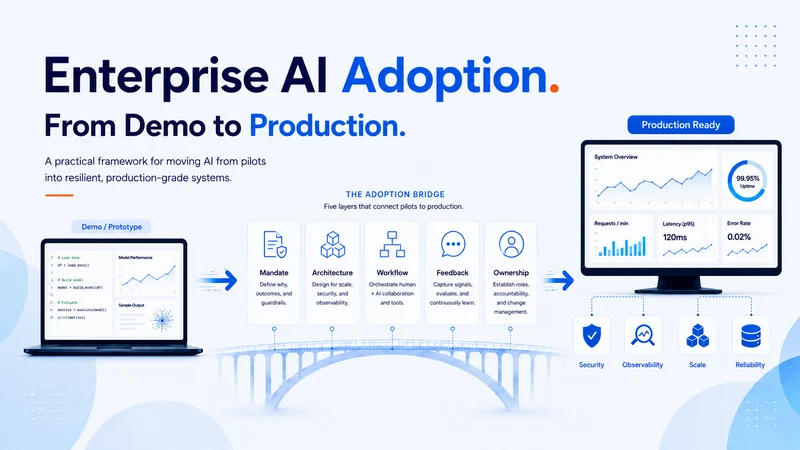
The AI Adoption Framework: Why Most Enterprise AI Never Reaches Production
A five-layer framework for moving enterprise AI from successful demos into resilient, production-grade systems.